
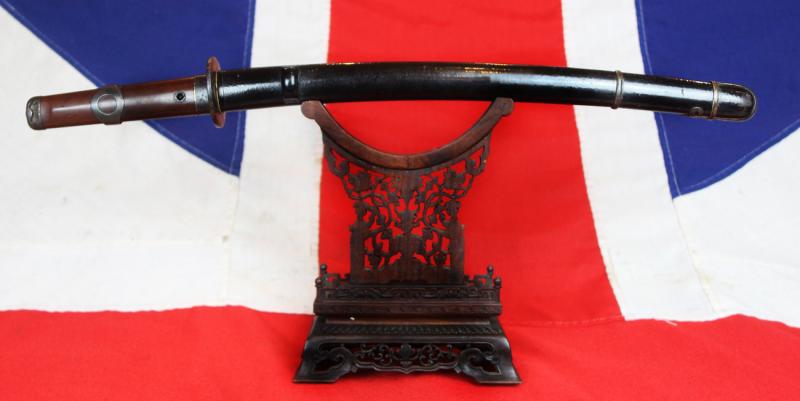
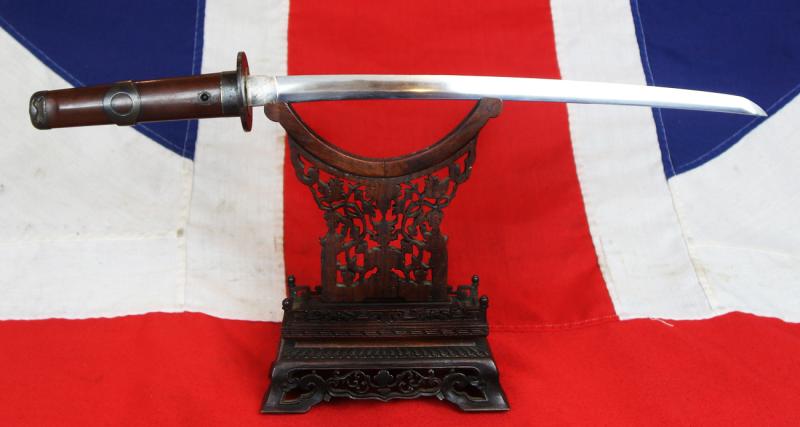

A Most Elegant Ko Wakizashi, or Long Sunobi Tanto, Signed Blade Shinto Period Circa 1650The Entire Original Edo Period Koshirae {Mountings} Are In The Form Described As Shibui, {Quiet}
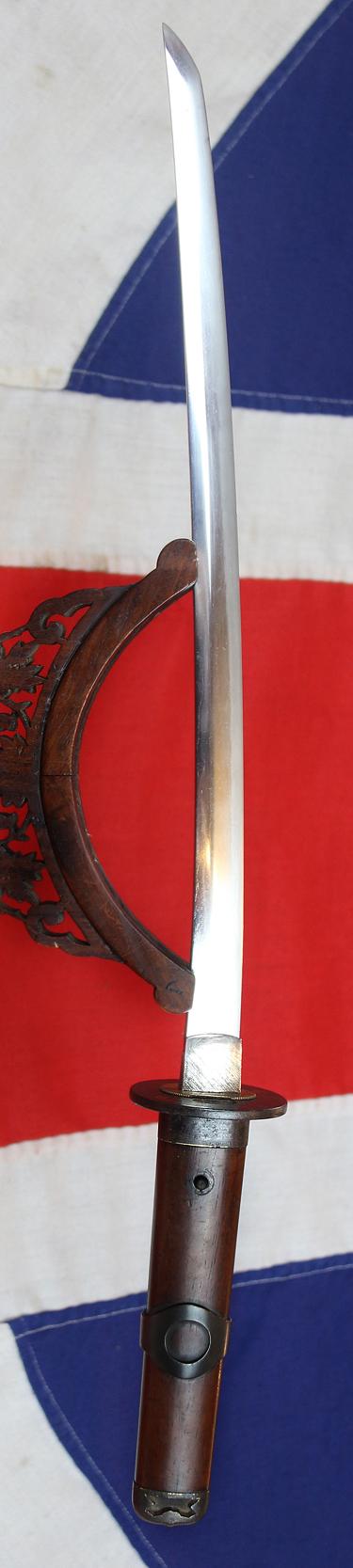
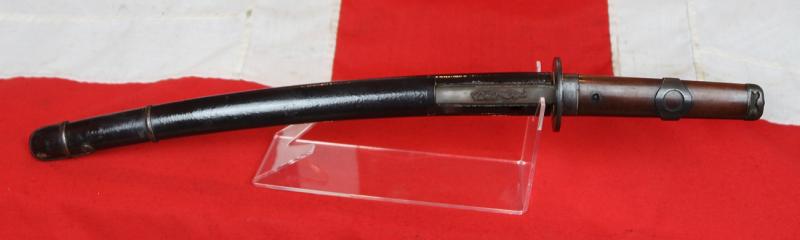
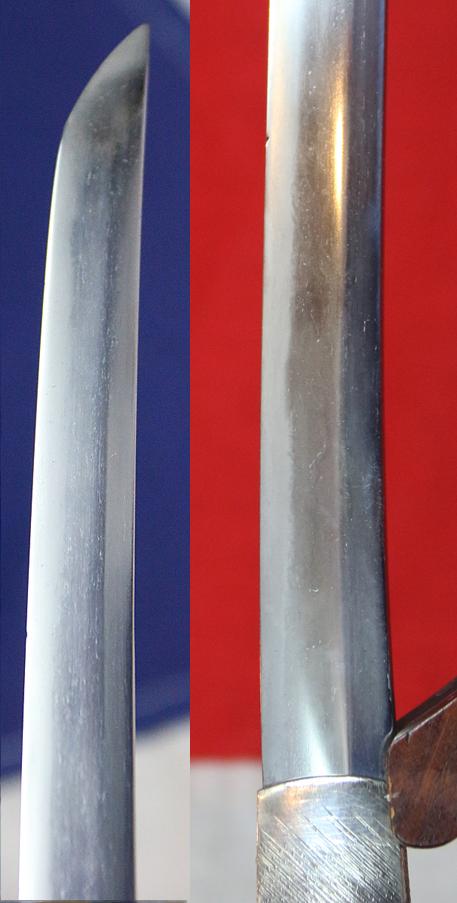
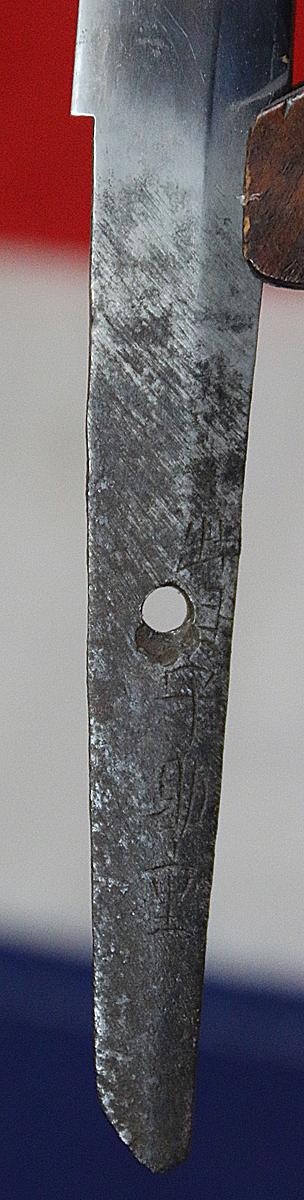
All original Edo mounts and a most fine and elegant blade with notare based on suguha hamon, signed, possibly Norishige, but the kanji are somewhat difficult to interpret, 15.5 inch blade measured from tsuba to tip.
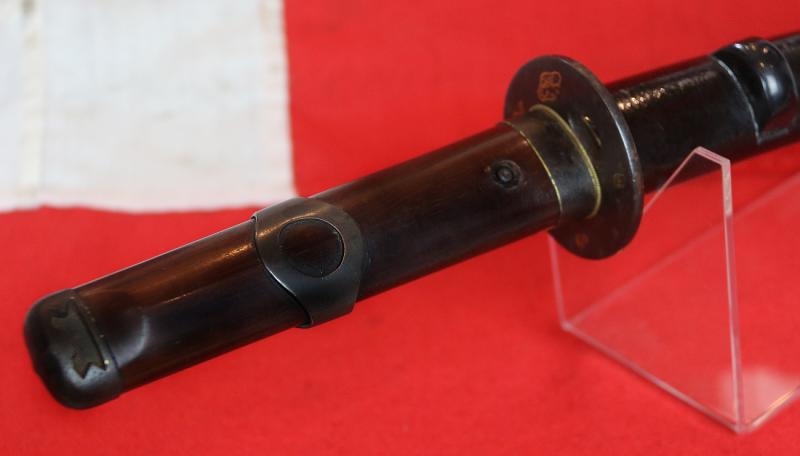
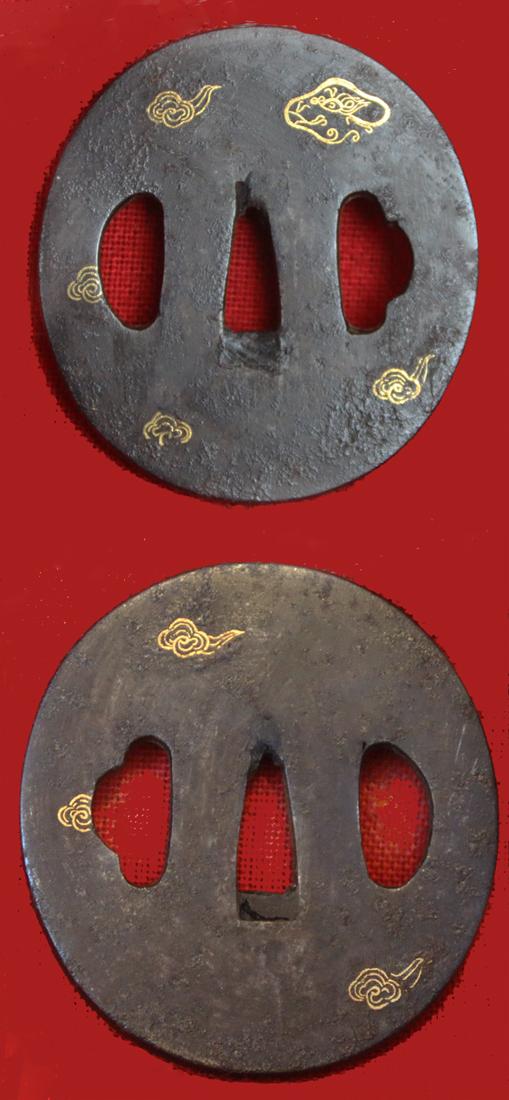
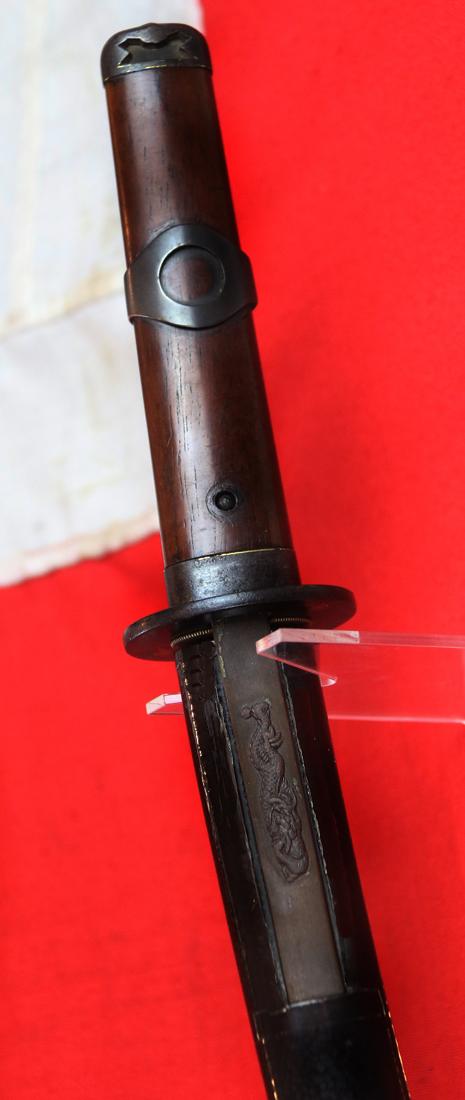
Suite of matching koshirae mounts in tetsu with the tsuba gold inlaid with a stylized Buddhist dragon and clouds, in gold, 19th Century, similarly inlaid in the sayajiri and saya band inlaid, with a black stippled urushi lacquer, and a carved wood tsuka. The kozuka is a takebori dragon on the plain tetsu ground, the blade is carved wood. The blade has a fine silver foiled habaki engraved with oblique raindrop pattern.
In the context of Japanese aesthetics, Shibui (渋い) refers to a "simple, subtle, and unobtrusive beauty". Decorating with a katana in this manner moves away from extravagant displays toward a refined, understated elegance that emphasises craftsmanship and cultural respect.
Sunobi Tanto
The Tanto that varied from the traditional size were called Sunobi-Tanto or O-Tanto. These were larger versions of the Tanto which featured blades usually measuring between 13 to 14 inches long. It was close to the size of the Ko-Wakizashi, which is a shorter version of the Wakizashi. However as this blade is even longer that the usual 14 inches, that is why it can be considered as a transitional weapon that has a foot in both camps so to speak. Because of its often small size, the Samurai warriors were able to conceal the Tanto in their clothing. It was also the Shoto or small sword in the Daisho and was paired with the Tachi. This was before the Samurai chose to use the Wakizashi over the Tanto as an auxiliary sword.
The Wakizashi was a Samurai warrior’s backup weapon that was used for close-quarter battles. Aside from this, the sword was a Samurai warrior’s tool for beheading a defeated opponent. It was sometimes used for committing Seppuku, a ritualistic suicide.
In addition, the Wakizashi was one of the few short swords available to the Samurai warrior. Another sword they might use was called a Chisa Katana, effectively a short Katana perfect for use within buildings castles etc. and the prerogative of the personal full time bodyguard of a Daimyo lord, who were the usually the only samurai permitted to be armed in his presence day and night.
Because the sword was the main battle weapon of Japan's knightly man-at-arms (although spears and bows were also carried), an entire martial art grew up around learning how to use it. This was kenjutsu, the art of sword fighting, or kendo in its modern, non-warlike incarnation. The importance of studying kenjutsu and the other martial arts such as kyujutsu, the art of the bow, was so critical to the samurai a very real matter of life or death that Miyamoto Musashi, most renowned of all swordsmen, warned in his classic The Book of Five Rings: The science of martial arts for warriors requires construction of various weapons and understanding the properties of the weapons. A member of a warrior family who does not learn to use weapons and understand the specific advantages of each weapon would seem to be somewhat uncultivated. European knights and Japanese samurai have some interesting similarities. Both groups rode horses and wore armour. Both came from a wealthy upper class. And both were trained to follow strict codes of moral behaviour. In Europe, these ideals were called chivalry; the samurai code was called Bushido, "the way of the warrior." The rules of chivalry and Bushido both emphasize honour, self-control, loyalty, bravery, and military training
As once told to us by an esteemed regular visitor to us here in our gallery, and the same words that are repeated in his book;
“In these textures lies an extraordinary and unique feature of the sword - the steel itself possesses an intrinsic beauty. The Japanese sword has been appreciated as an art object since its perfection some time during the tenth century AD. Fine swords have been more highly prized than lands or riches, those of superior quality being handed down from generation to generation. In fact, many well-documented swords, whose blades are signed by their makers, survive from nearly a thousand years ago. Recognizable features of the blades of hundreds of schools of sword-making have been punctiliously recorded, and the study of the sword is a guide to the flow of Japanese history.”
Victor Harris
Curator, Assistant Keeper and then Keeper (1998-2003) of the Department of Japanese Antiquities at the British Museum. He studied from 1968-71 under Sato Kenzan, Tokyo National Museum and Society for the Preservation of Japanese Swords
The world of antique sword collecting is a fascinating journey into the past, offering a unique lens through which to view history and culture. More than mere weapons, these artifacts serve as tangible connections to the societies and ancient times where they originated. Each blade tells a story, not just of the battles it may have seen but of the craftsmanship, artistic trends, and technological advancement of its time.
The swords mountings can be equally telling. Engravings and decorative elements may enhance the sword’s beauty and hint at its historical context. The materials used for them can reveal the sword’s age
Collecting antique swords, arms and armour is not merely an acquisition of objects; it’s an engagement with the historical and cultural significance that these pieces embody. As collectors, we become custodians of history, preserving these heritage symbols for future generations to study and appreciate.
We are now, likely the oldest, and still thriving, arms armour and militaria stores in the UK, Europe and probably the rest of the world too. We know of no other store of our kind that is still operating under the control its fourth successive generation of family traders
Every single item from The Lanes Armoury is accompanied by our unique Certificate of Authenticity. Part of our continued dedication to maintain the standards forged by us over the past 100 years of our family’s trading, as Britain’s oldest established, and favourite, armoury and gallery
Code: 24350
3995.00 GBP