
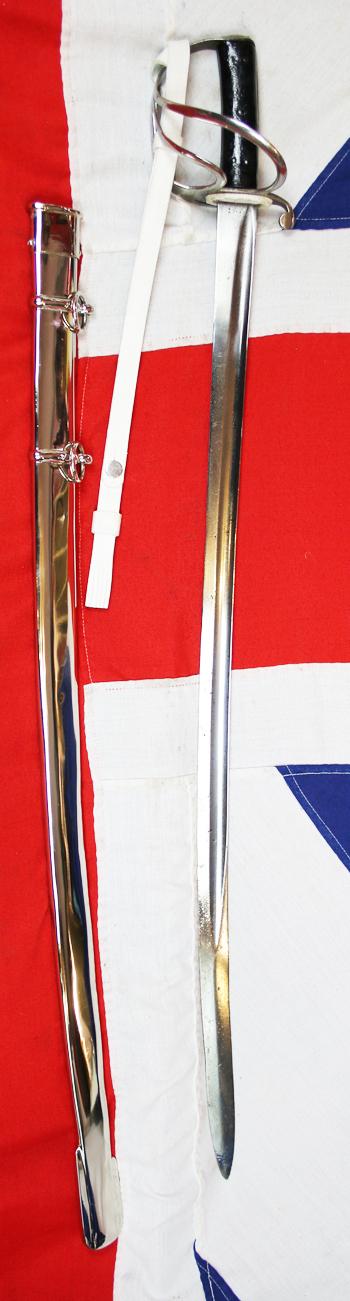
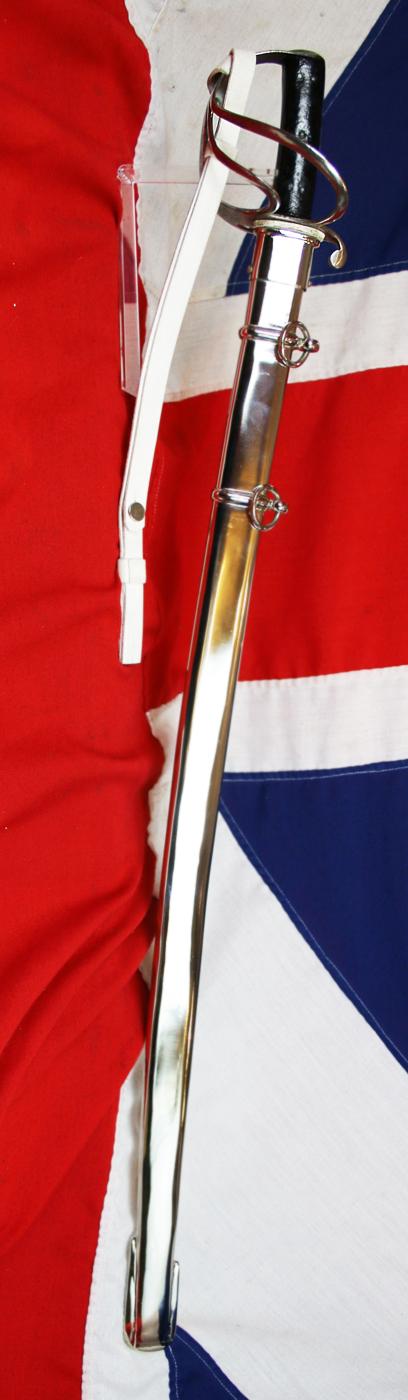
Superb Crimean War 1853 Issue British Cavalry Sabre, Exactly as Used by The Charge of the Light Brigade, and, The {Less Well Known, Yet Ironically More Successful} Charge of the Heavy Brigade. In Its Stunning Steel Scabbard, With White Buff Hide Knot
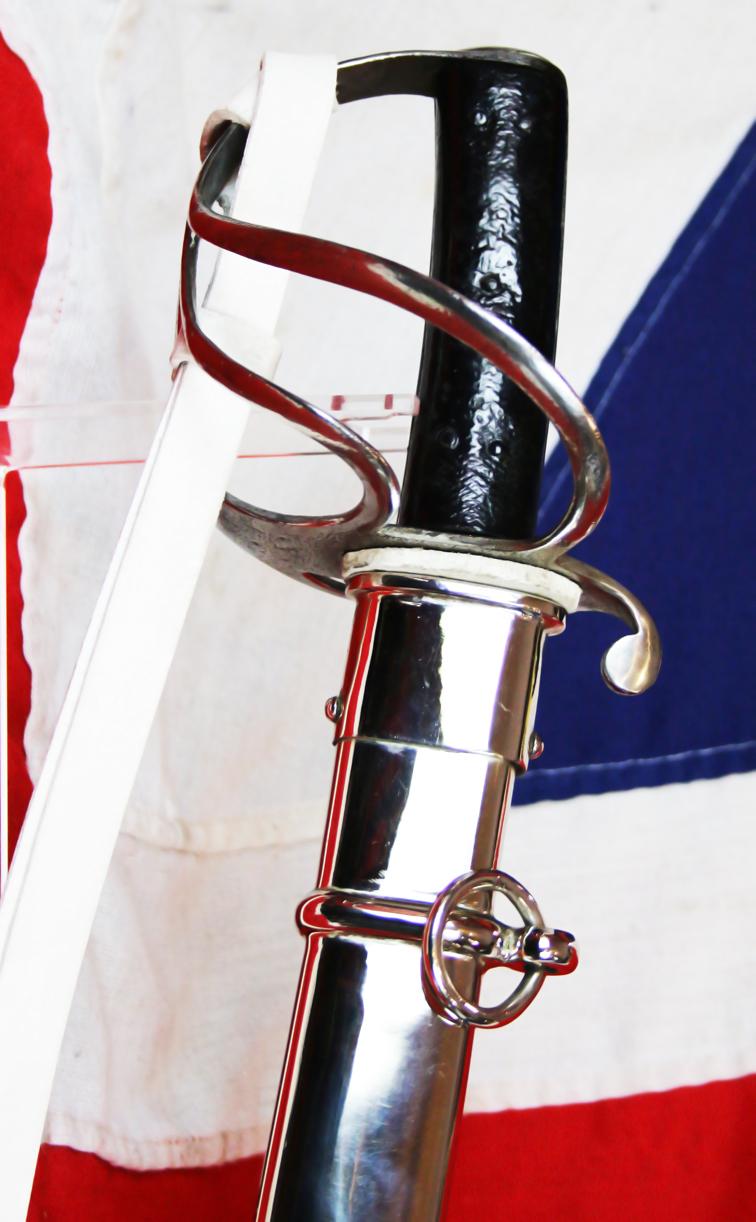
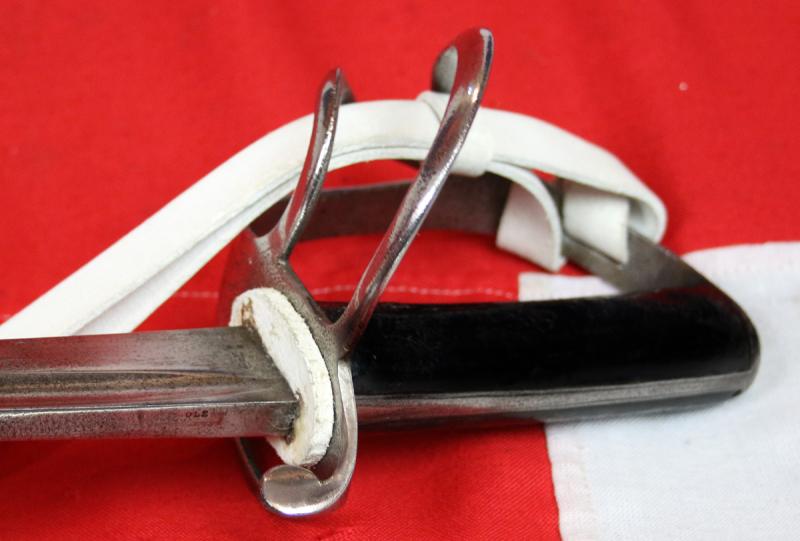
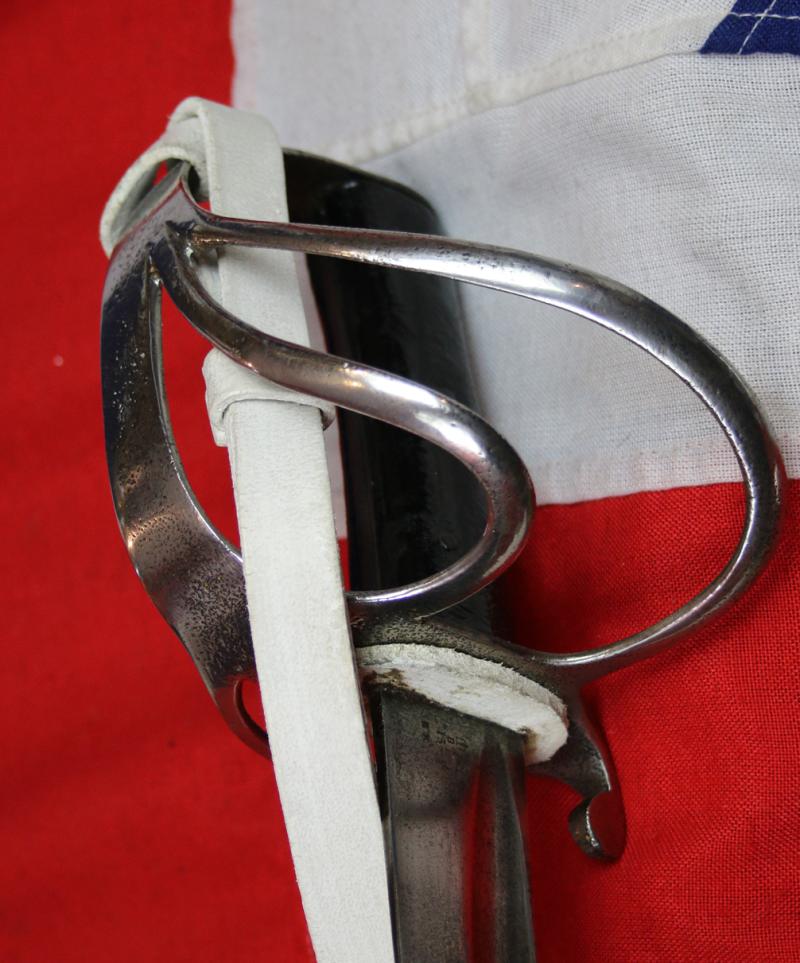
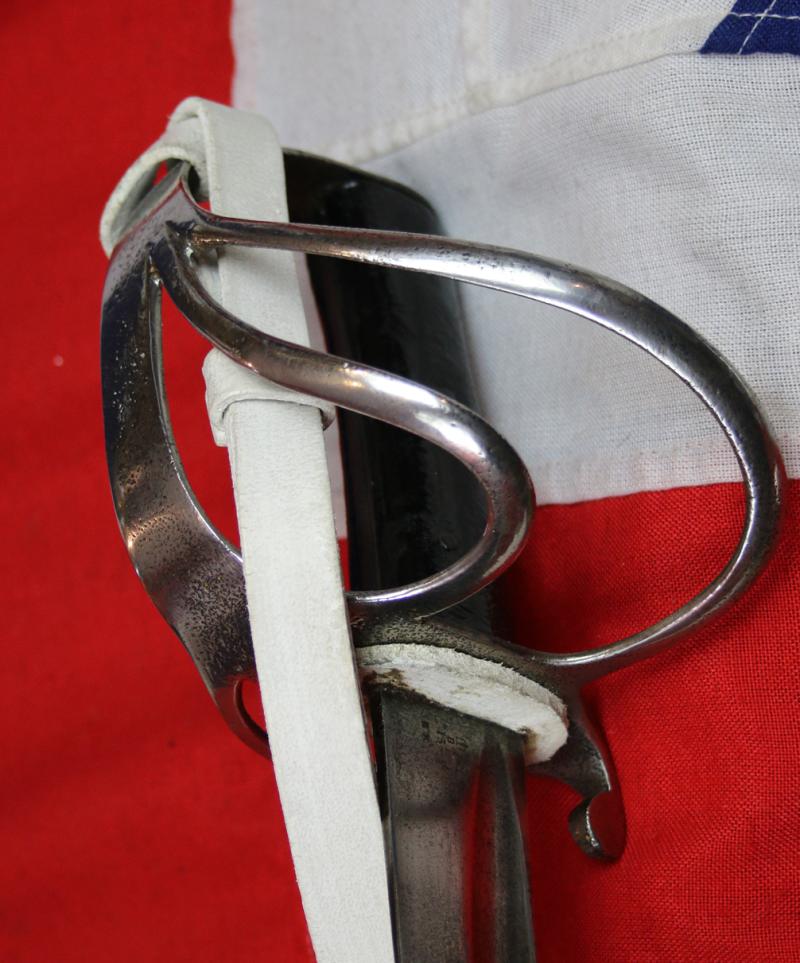
A stunning 1853 pattern sabre that superseded the earlier issue 1821 pattern. A beautiful three bar bright steel hilt, with regulation chequered leather grip, held with 5 rivets. A Regulation steel blade with ordnance stamps and ordnance contract maker stamp, Mole. In its regulation pattern, rolled sheet steel, mirror bright plated scabbard. Many Mole blades were used extensively by the British Army, including during the Crimean War (in the Charge of the Light Brigade) this sword has every indication to have been one of them, such as in the 13th Light dragoons
This original 1853 pattern trooper's sabre was the replacement of the previous 1821 pattern. This particular sabre was issued, just in time, to a few of the hussar and lancer regiments that departed for service in the Crimean War, but it took around another 10 years or so to be supplied to all the other cavalry regiments in the army, especially if they were in service at the time within the far flung reaches of the empire. We have also acquired, a similarly fabulous, 1821 issue example, from the same collection. However, all our other, fabulous condition British cavalry sabres, that we recently acquired from the Crimean War collection, have now been sold over the past few weeks.
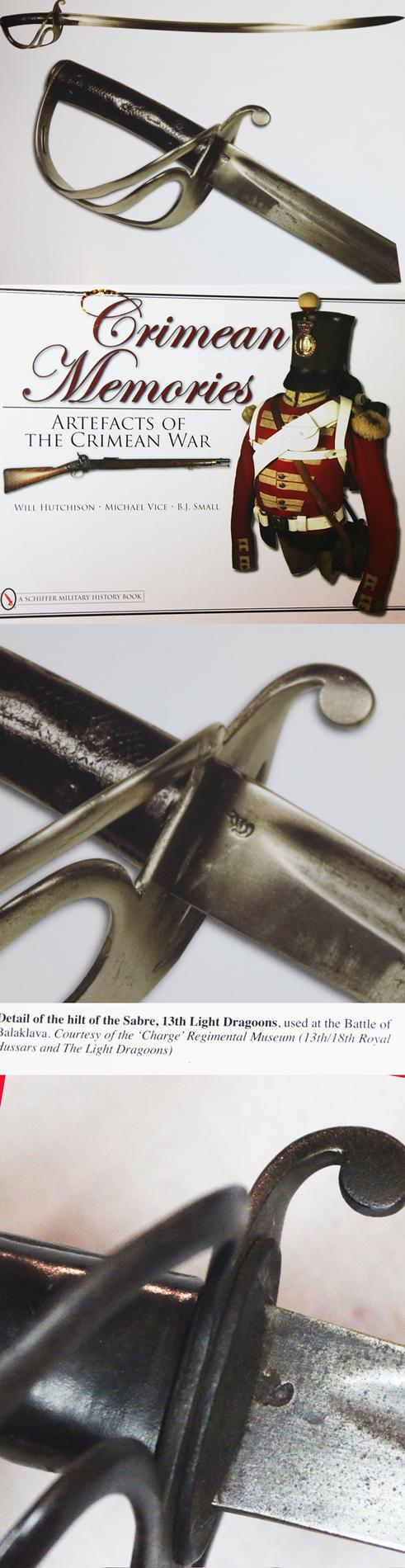
Both cavalry charges against the Russian lines happened on the same day in the Crimean War, at Balaklava, on the 25th October 1854, and barely two hours apart. The first charge was at 9.30 am and was the 'Charge of the Heavy Brigade', and it was followed at 11.10 am by the famed 'Charge of the Light Brigade'. This sabre would very likely have been used in either charge as the 1853 pattern was designated for use by both light and heavy cavalry. It bears the same ordnance maker's mark, as an identical pattern issue sword, from the Charge of the Light Brigade, used by a trooper the 13th Light Dragoon's in the charge, that is now in the 13th-18th Royal Hussars and Light Dragoons Regimental Museum {see a photo of that sword in the gallery}.
Our sword also bears the line regt. issue ordnance inspectors marks.
Following the Battle of the Alma in September 1854, British, French and Ottoman forces had begun to besiege the Russian naval base of Sevastopol. The siege lines, running back to their base at Balaklava harbour, went through two valleys and a ridge, and were vulnerable.
Seeking to take advantage of this, the Russians planned to break the British lines and then capture the base.
'The Thin Red Line'
The Russian cavalry charged on Balaklava, but their route was blocked by the 93rd (Highland) Regiment of Foot. Traditionally, infantry facing a charge would form a square, four lines deep. But the Highlanders took an unconventional approach, making two lines instead.
In the face of the oncoming Russian horses, the Highlanders' commander, Major-General Sir Colin Campbell, told his troops: ‘There is no retreat from here, men. You must die where you stand.’ They fired two disciplined volleys at the advancing enemy, which turned the Russians back.
'Charge of the Heavy Brigade'
The Heavy Brigade, moving up to support the Highlanders, then intercepted the retreating Russian cavalry.
The 800 British horsemen were hugely outnumbered by the 3,000-strong Russian cavalry. But seeing their enemy halted and vulnerable to attack, they charged uphill all the same. Their advance was little faster than a trot and only lasted 10 minutes, but it sent the Russian horsemen into disorder.
'Charge of the Light Brigade'
‘Cavalry to advance rapidly to the front’
To prevent the Russians moving the guns they had captured earlier, Lord Raglan issued an order to the Light Brigade to go and retrieve them. He was still waiting on reinforcements from Sevastopol to arrive, so the light horsemen were the only troops available to him.
But the cavalry commanders, who lacked Raglan’s view of the battlefield, were uncertain as to which guns his order referred to. What’s more, all they could see was a Russian artillery battery at the end of a heavily defended valley.
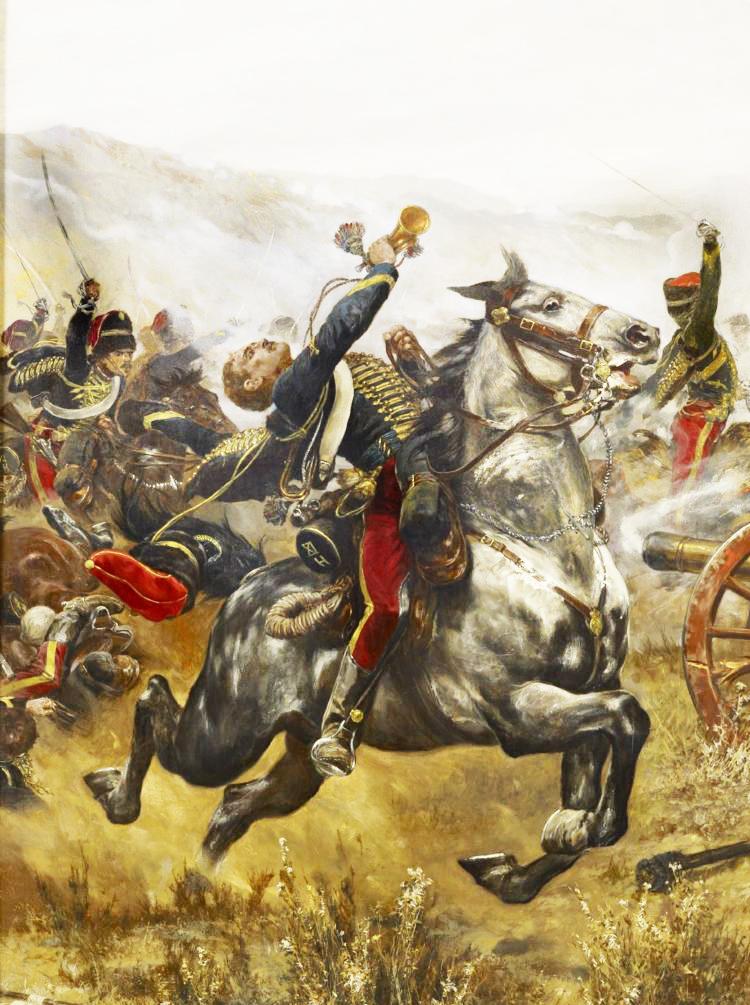
In response to their orders, the Light Brigade began their charge, but at the wrong gun batteries. They galloped through Russian artillery fire from three sides and on into the ‘Valley of Death’ suffering heavy losses in the process.
Some of the horsemen succeeded in reaching the Russian guns at the end of the valley, and even drove the men operating them into retreat before charging the Russian cavalry beyond.
After intense fighting, the remnants of the Light Brigade were forced to retreat from the guns. They made their way back through the ‘Valley of Death’ before reaching safety. Fortunately, their return was ensured by the French cavalry, who cleared the Russians from the north side of the valley.
Although the reinforcements from Sevastopol had now deployed and were ready to begin an assault on the heights, no further action was taken.
The battle ended in strategic stalemate, with the Russians controlling the heights and the road, but Balaklava still in Allied hands. Unfortunately, Russian possession of the road made supplying the forces besieging Sevastopol during a terrible winter much harder.
The loss of the Light Brigade was one of Britain’s most spectacular military disasters. It is remembered because of Alfred Lord Tennyson’s popular poem ‘The Charge of the Light Brigade’, written a few weeks after the battle.
Years later, Tennyson also wrote ‘The Charge of the Heavy Brigade’ to raise money for Crimean veterans, many of whom were living in poverty. For similar reasons Rudyard Kipling wrote ‘The Last of the Light Brigade’ in 1890 to raise awareness of the hardships faced by veterans.
The blade is grey stained.
Over two decades ago we were delighted to buy Captain Nolan's undress sabretache that was used to carry the order in the Charge of the Light Brigade, and was recovered from beneath his, and his horses bodies after the battle. It spent most of its life after the charge in two museums, one at the rebuilt and re-sited Crystal Palace in London. We were privileged to buy direct it from the original family owners with the personal assistance of the late Gordon Gardner, Militaria Expert of Sotheby's from 1979.
"Robert Mole & Sons" was a prominent British sword manufacturer and contractor active during the 19th and early 20th centuries.
Established in Birmingham, England, in 1835 by a descendant of German craftsman Hermann Mohll (later Anglicized to Mole).
Government Contractor: The firm was a significant supplier to the British War Office, the Admiralty, and the Government of India, particularly from 1852 to 1919.
Produced swords, sword bayonets, lances, and matchets (machetes). They were known for high-quality production, often considered second only to Wilkinson Sword during the Victorian era.
Mole blades were used extensively by the British Army and Navy, including during the Crimean War (Charge of the Light Brigade), the Boer War, and World War I.
During the American Civil War (1861-1865), Robert Mole & Sons produced swords, including cavalry sabers and naval cutlasses, that were imported by the Confederacy.
Blades are typically marked "RobT Mole & Sons, Makers, Birmingham" or simply "Mole" on the spine or ricasso.
Records of their production were discovered in 1988, detailing contracts from 1852-1920. The company eventually became part of Wilkinson Sword.
Code: 26098
1255.00 GBP